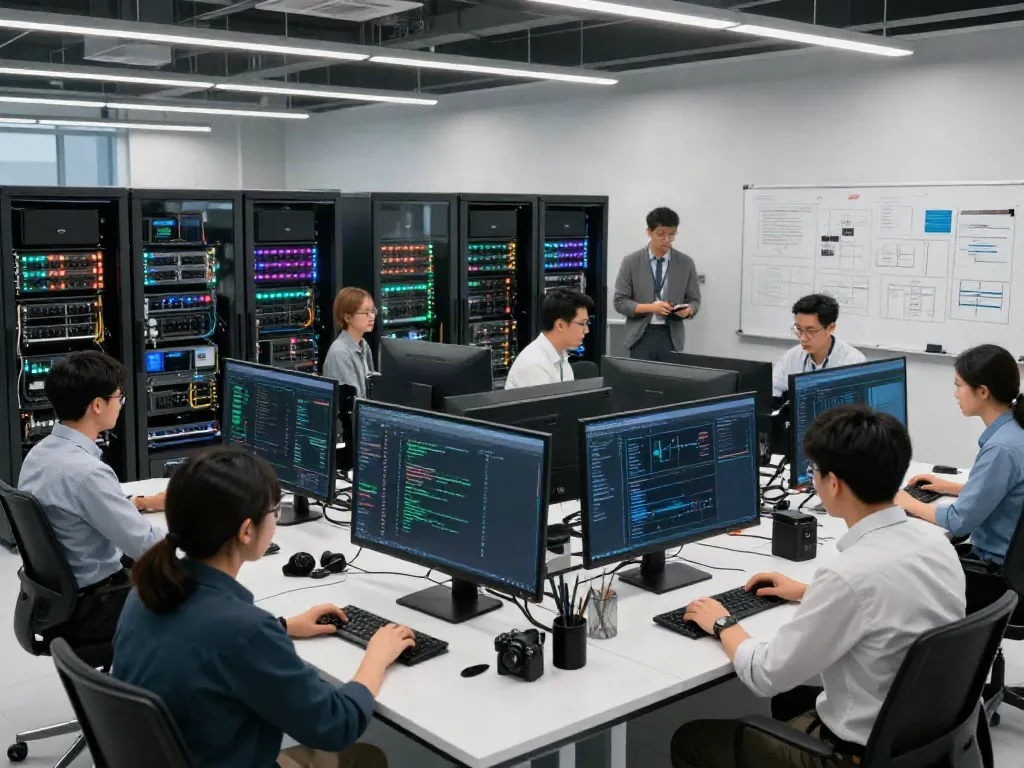
Understanding AI Infrastructure Basics
As the demand for artificial intelligence (AI) continues to surge, the significance of robust AI infrastructure has never been more pronounced. AI infrastructure combines hardware, software, and networking resources necessary to develop, implement, and manage AI applications and services. Organizations across various sectors are increasingly recognizing the importance of this infrastructure to operationalize AI effectively and achieve competitive advantages.
What is AI Infrastructure?
AI infrastructure encompasses the entire ecosystem required to build AI systems. This includes the physical components like servers, GPUs, and storage as well as software frameworks and tools that facilitate AI model training, deployment, and management. In essence, AI infrastructure serves as the backbone that empowers machines to learn from vast datasets and perform complex computations efficiently.
Key Components of AI Infrastructure
- Hardware: High-performance GPUs and CPUs are critical for processing large amounts of data quickly. These are often housed in data centers specifically designed to support AI workloads.
- Software: AI frameworks such as TensorFlow and PyTorch provide the necessary tools to develop and refine AI models.
- Networking: Robust networking solutions are essential for connecting multiple computing resources and enabling data flow across the infrastructure.
- Storage: Scalable and fast storage solutions are required to accommodate the massive datasets that AI systems utilize for training and inference.
Importance of AI Infrastructure in Today's Market
With industries rapidly adopting AI technologies, the need for a sophisticated AI infrastructure has become paramount. Organizations need to ensure that their infrastructure can handle complex algorithms and large-scale data processing. Investing in the right AI infrastructure not only enhances operational efficiency but also accelerates innovation by enabling companies to deploy AI solutions more rapidly and effectively.
The Role of Power in AI Infrastructure
Power is a fundamental element that directly affects the performance and scalability of AI infrastructure. AI workloads demand significant energy levels, particularly during peak processing times. Therefore, understanding how to effectively manage power consumption is critical for businesses aiming to maximize their AI capabilities.
How Energy Supports AI Workloads
Energy supports AI workloads by providing the necessary power for computing resources, particularly GPU farms that are integral to processing large datasets and training machine learning models. The efficiency of these operations is often linked to the availability of reliable and cost-effective energy sources.
Choosing the Right Power Plan for Your Needs
Companies must evaluate their energy needs carefully to select the appropriate power plan. This involves considering factors such as peak usage times, scalability requirements, and cost-effectiveness. A well-structured power plan can significantly improve the performance of AI infrastructure by ensuring that adequate resources are available when needed.
Measuring Power Contribution and Efficiency
Measuring power contribution involves tracking energy consumption associated with AI operations. Companies can optimize their energy use by implementing monitoring systems that analyze usage patterns and identify peak load times. This information can guide decisions on energy purchases and technology investments, ultimately enhancing operational efficiency.
Building a Scalable AI Infrastructure
Building a scalable AI infrastructure requires careful planning and consideration of both current and future needs. As AI technologies evolve, so too must the underlying infrastructure to remain competitive in the marketplace.
Best Practices for Infrastructure Design
- Modular Design: Employ a modular design that allows for component upgrades or replacements without significant overhauls of the entire system.
- Cloud Integration: Leverage cloud services to enhance scalability and flexibility, enabling dynamic resource allocation based on demand.
- Data Management: Implement robust data management practices to ensure that data flow and storage are optimized throughout the lifecycle of AI projects.
Common Challenges and Solutions
Some common challenges in building AI infrastructure include managing costs, ensuring data security, and maintaining performance efficiency. Solutions may involve adopting cost-effective power plans, utilizing advanced security technologies, and employing optimization algorithms to maintain computational efficiency.
Case Studies of Successful AI Infrastructure Implementation
Organizations like Google and Amazon have set benchmarks in AI infrastructure by implementing scalable, efficient systems. These companies utilize state-of-the-art hardware and innovative power management strategies to support their AI workloads, often leading to significant gains in processing speed and efficiency.
Future Trends in AI Infrastructure
The field of AI infrastructure is evolving rapidly, influenced by advancements in technology and changing market demands. Staying ahead of these trends is crucial for businesses looking to leverage AI effectively.
Emerging Technologies Impacting AI Infrastructure
Emerging technologies such as quantum computing and edge computing are poised to radically change the landscape of AI infrastructure. Quantum computing promises exponential increases in processing power, while edge computing allows for data to be processed closer to its source, reducing latency and bandwidth use.
Predictions for AI Infrastructure in 2026 and Beyond
By 2026, we can expect significant advancements in AI infrastructure, particularly in areas like energy efficiency and processing capabilities. Organizations that invest in sustainable energy solutions will likely have a competitive advantage by reducing operational costs while fulfilling corporate social responsibility goals.
Preparing for Rapid Advancements in AI
To prepare for rapid advancements, organizations should focus on continuous learning and adaptability. This includes investing in employee training, leveraging automation in infrastructure management, and fostering innovation through research and development of new technologies.
Frequently Asked Questions
What are the main benefits of AI infrastructure?
AI infrastructure provides numerous benefits, including enhanced processing power, improved efficiency, and the ability to manage vast amounts of data. These advantages enable organizations to innovate and maintain competitiveness in the market.
How can individuals participate in AI infrastructure?
Individuals can participate in AI infrastructure by engaging with platforms that offer power plans designed for AI operations. This allows them to contribute to AI projects without needing extensive technical knowledge or resources.
What are the risks associated with AI infrastructure investments?
Investing in AI infrastructure carries risks such as fluctuating energy costs, rapid technological changes, and the potential for cybersecurity vulnerabilities. Continuous monitoring and adaptive strategies can mitigate these risks.
How is AI infrastructure evolving with new technologies?
AI infrastructure is evolving by integrating new technologies like machine learning for predictive analytics, automation for resource management, and advanced security protocols to protect data integrity.
What role do power resources play in AI infrastructure?
Power resources are crucial in AI infrastructure as they provide the energy needed to run intensive computing tasks. Effective power management ensures that AI applications can operate efficiently and sustainably.