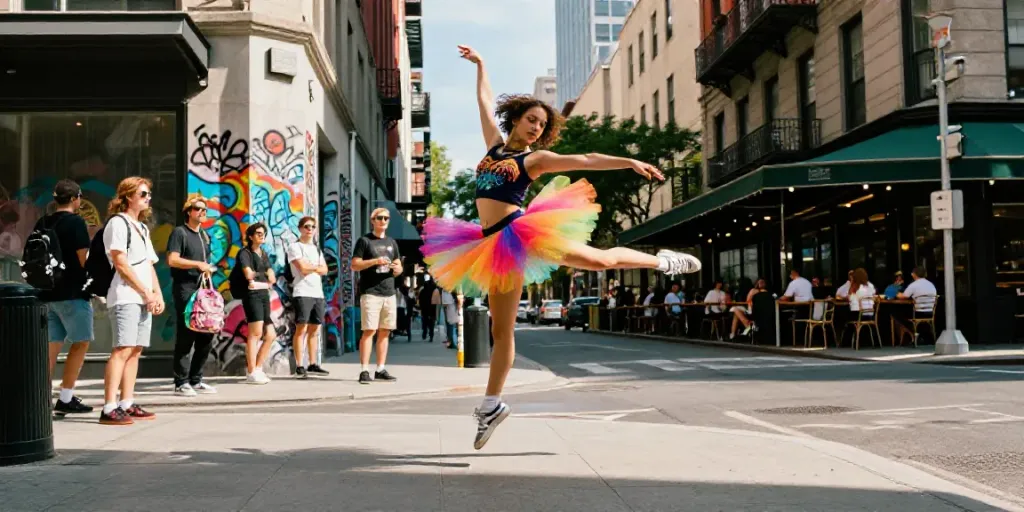
Understanding the Tutu: Types and Styles
The world of dance is rich and diverse, and one of its most iconic symbols is the tutu. This special garment holds a significant place in ballet and various dance forms, often evoking images of grace and elegance. Understanding the different types of tutus and their styles is essential for dancers, costume designers, and enthusiasts alike. The right tutu can enhance performance, reflect the dancer's personality, and even influence the overall aesthetic of a performance. When exploring options, tutu-store.com provides comprehensive insights on selecting the perfect tutu for every occasion.
What are the Different Types of Tutus?
Tutus come in various forms, each serving distinct purposes in the world of dance. The most common types include:
- Classical Tutu: Characterized by its stiff tulle layers and short length, this style is synonymous with traditional ballet performances. It allows for a full range of motion while creating a striking silhouette.
- Romantic Tutu: This style features a longer, flowing design that extends to the calf or ankle. It is often used in performances that require a more fluid, ethereal quality, enhancing the dancer's grace.
- Contemporary Tutu: Designers often blend traditional elements with modern fabrics and cuts, creating unique variations that reflect current fashion trends in the dance world.
- Dress Tutu: Typically worn for competitions or performances, these tutus combine intricate designs with fashionable embellishments, making them eye-catching and impressive.
How Style Affects Performance in Dance
The style of a tutu greatly impacts a dancer's performance. A classical tutu, for instance, allows for freedom of movement, which is crucial for executing technical ballet steps. In contrast, a romantic tutu can add a dramatic effect, enhancing the emotional connection between the dancer and the audience. Dancers must consider how their choice of tutu complements their choreography and personal expression.
Choosing the Right Tutu for Your Dance Style
When selecting a tutu, identifying the dance style is paramount. For ballet enthusiasts, a classical tutu is essential, whereas those involved in contemporary or modern dance may choose more flexible styles. Additionally, factors such as color, fabric, and embellishments should be considered to align with the performance's theme and the dancer’s personal style.
Finding Your Perfect Tutu: Shopping Tips
Finding the right tutu can be an overwhelming experience, especially with the myriad of options available. Here are some tips for navigating the search:
Where to Buy Quality Tutus Online
There are many reputable online retailers specializing in dance attire, including tutu-store.com, where you can find a wide selection of tutus. Look for stores that offer detailed descriptions, size guides, and customer reviews to help make informed decisions.
Importance of Size and Fit in Tutu Selection
A tutu's fit can significantly affect both comfort and appearance. Dancers should measure their waist and choose a size that allows for easy movement without being too loose or too tight. Some tutus come with adjustable features, which can enhance fit and comfort during performances.
Evaluating Tutu Quality: What to Look For
When assessing the quality of a tutu, examine the materials used. High-quality tutus typically feature layers of soft, durable tulle that can withstand the rigors of dance. Additionally, pay attention to the craftsmanship—seams should be even, and embellishments should be securely attached to avoid any wardrobe malfunctions during performances.
Caring for Your Tutu: Maintenance and Storage
Proper care is essential to maintaining the appearance and longevity of a tutu. Here are some best practices for maintaining this delicate dance attire:
Best Practices for Washing and Drying Tutus
Most tutus need gentle care to avoid damage. Handwashing is often recommended, using mild detergent. When washing, avoid wringing or twisting the fabric. Instead, lay the tutu flat to dry, away from direct sunlight, which can fade colors and weaken fibers.
How to Store Your Tutu without Damage
Storing a tutu requires attention to detail to preserve its shape and fabric. Hanging the tutu on a padded hanger can prevent creasing, while storing it in a breathable garment bag protects it from dust and moisture. It's crucial to keep it in a cool, dry place to avoid mildew and deterioration.
Repairing Common Tutu Issues
Over time, tutus may require minor repairs. For small tears, sewing can quickly restore the tutu’s appearance. For frayed edges, consider using fabric glue or hemming techniques. Regular checks for wear and tear can help ensure your tutu remains in top condition.
The Role of Tutus in Dance Competitions
Tutus are not just beautiful garments; they play a significant role in competitive dance. The right tutu can elevate a performance, making it crucial for dancers to choose wisely.
Choosing Competition-Worthy Tutus
Competition tutus should reflect a dancer's personality and the performance's theme. Bright colors, intricate designs, and quality fabrics are often essential for standing out on stage. Additionally, considering comfort and flexibility is key to performing at one's best.
The Impact of Tutu Design on Judges' Scores
Judges often assess not just the performance but also the visual appeal of the dancers’ attire. A well-designed tutu that resonates with the theme of the routine can enhance a dancer's overall score. Attention to detail, like matching accessories, can further elevate the visual impression.
Case Studies: Successful Competition Outfits
Examining successful competition outfits can provide valuable insights. For instance, many top dancers opt for tutus that feature a combination of bold colors and intricate embellishments. These choices can make a lasting impression on judges and audiences alike, ultimately yielding higher scores.
Future Trends in Tutu Fashion for 2026
The world of dance fashion is ever-evolving. As we look towards 2026, several trends are emerging in tutu design and functionality.
Emerging Fabrics and Designs in Tutu Making
Innovations in fabric technology are leading to new materials that combine beauty with functionality. Stretchable tulle, eco-friendly fabrics, and moisture-wicking materials are becoming popular in tutu manufacturing. These advancements not only enhance comfort but also improve durability and ease of maintenance.
Influences of Dance on Fashion Trends
As dance continues to infiltrate mainstream fashion, the incorporation of tutu designs into casual wear is becoming more prevalent. Designers are experimenting with tutu-inspired silhouettes in everyday clothing, allowing the beauty of dance to influence broader fashion trends.
Expert Insights on Tutu Innovations Coming in 2026
Industry experts suggest that 2026 will see a rise in personalized tutus, allowing dancers to express their individuality more profoundly. Customizable options regarding colors, styles, and embellishments will cater to the diverse tastes within the dance community.