Understanding the Role of a Water Treatment Equipment Supplier
In today's industrial landscape, the importance of water treatment cannot be overstated. A reliable Water Treatment Equipment Supplier plays a crucial role in ensuring that industries adhere to environmental regulations and standards, while also improving operational efficiency. This article delves into the multifaceted role of water treatment equipment suppliers, highlighting their key functions, responsibilities, and the numerous benefits they provide to businesses across various sectors.
What is a Water Treatment Equipment Supplier?
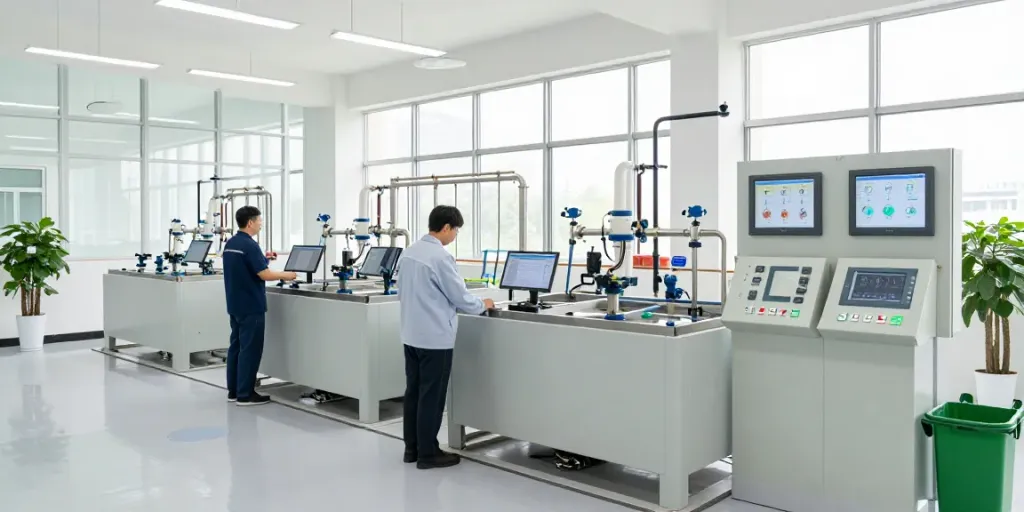
A water treatment equipment supplier focuses on providing specialized machinery and systems designed to treat water for industrial, municipal, and residential use. These suppliers manufacture and supply essential equipment such as filtration systems, chemical dosing systems, and modular treatment units. Their primary objective is to ensure that water is purified and treated effectively to meet specific safety standards and environmental regulations.
Key Functions and Responsibilities in the Industry
Water treatment equipment suppliers are integral in several key areas:
- Design and Manufacturing: Suppliers design and manufacture equipment tailored to meet the specific needs of various industries, such as chemical processing, pharmaceuticals, and food production.
- Installation and Maintenance: Beyond selling equipment, they also oversee the installation and provide ongoing maintenance services to ensure longevity and compliance with safety standards.
- Consulting and Support: Many suppliers offer consulting services, helping businesses choose the right equipment and systems based on their unique operational requirements.
Benefits of Partnering with a Specialized Supplier
Collaborating with a specialized water treatment supplier offers numerous advantages, including:
- Expertise: Suppliers bring industry knowledge and technical expertise, guiding businesses in selecting the best solutions for their needs.
- Cost Efficiency: By providing tailored solutions, suppliers can help reduce operational costs associated with water treatment processes.
- Regulatory Compliance: Suppliers ensure that the equipment meets environmental regulations, helping companies avoid potential legal issues.
Innovative Solutions Offered by QILEE
As a leading provider in the water treatment sector, QILEE offers innovative solutions tailored for various industrial applications. Their commitment to quality and sustainability is evident in their comprehensive product range, which includes advanced systems that set a new standard in the industry.
Overview of Modular Water Treatment Equipment
Modular water treatment equipment is designed to provide flexibility and scalability for businesses of all sizes. These systems can be easily adjusted to meet changing demands, making them ideal for companies that require high timeliness and adaptability in their operations.
Benefits of Integrated Chemical Process Systems
QILEE’s Integrated Chemical Process Systems streamlines chemical dosing procedures, ensuring accuracy and safety. By utilizing advanced sensor technology and intelligent control algorithms, these systems enhance the efficiency of water treatment processes and minimize waste.
Customization Options for Diverse Industrial Applications
Every industry has unique challenges when it comes to water treatment. QILEE understands this and offers customizable solutions that address specific needs across different sectors, including chemical, pharmaceutical, and food industries.
Industry Applications of Water Treatment Equipment
Water treatment equipment is vital in various industries, each with distinct requirements and applications. Understanding these use cases is critical for businesses seeking optimal solutions.
Water Treatment Solutions for Chemical and Pharmaceutical Industries
In the chemical and pharmaceutical sectors, water treatment is essential to ensure product purity and safety. Suppliers must provide robust systems capable of handling a range of contaminants while complying with strict regulatory standards.
Applications in Municipal and Wastewater Treatment
Municipal water treatment facilities rely heavily on specialized equipment to treat water before it is returned to the environment. These systems must be efficient and reliable, processing large volumes of wastewater and ensuring compliance with environmental regulations.
Textile, Food, and Beverage Industry Requirements
The textile and food & beverage industries have unique water treatment needs, often requiring specific filtration and purification methods. Equipment suppliers must be adept at providing customized solutions that meet both operational and safety standards.
Challenges in Water Treatment Equipment Selection
Choosing the right water treatment equipment can be daunting due to various factors that impact decision-making. Understanding these challenges helps companies make informed choices and mitigate risks.
Common Misconceptions in the Industry
One common misconception is that all water treatment equipment is the same. In reality, the effectiveness of treatment processes can vary significantly based on numerous factors, including system design, local water quality, and specific industry needs.
Evaluating Quality and Reliability of Equipment
When selecting equipment, it is crucial to assess quality and reliability. This involves researching manufacturer reputation, reviewing product lifespan, and ensuring that equipment adheres to industry standards.
Cost vs. Quality Considerations in Procurement
While initial costs may influence procurement decisions, investing in high-quality equipment often leads to long-term savings through reduced maintenance and improved efficiency. Balancing upfront costs with potential savings is crucial for businesses.
The Future of Water Treatment Solutions (2026 and Beyond)
The landscape of water treatment is rapidly evolving, driven by technological advancements and regulatory changes. Looking ahead, industry stakeholders must adapt to new trends to remain competitive and sustainable.
Emerging Technologies in Water Treatment
Innovations such as IoT integration, advanced filtration technologies, and AI-driven systems are set to transform water treatment processes significantly. These technologies promise enhanced efficiency, greater precision, and improved monitoring capabilities.
Regulatory Trends Impacting Equipment Suppliers
As environmental regulations become more stringent, water treatment equipment suppliers must adapt their offerings to comply with new standards. Staying ahead of these changes is vital for maintaining market relevance.
Best Practices for Sustainable Water Management
To promote sustainable water management, businesses should focus on implementing energy-efficient technologies, reducing water waste, and considering environmentally friendly treatment options in their procurement strategies.
What are innovative trends in water treatment technology?
Innovative trends include the development of mobile treatment units, real-time water quality monitoring, and advancements in membrane technology, enabling more efficient filtration processes.
How can I choose the right water treatment supplier?
Choosing the right supplier involves evaluating their industry experience, product offerings, and support services. Engaging with references and conducting site visits can also provide valuable insights.
What is the importance of chemical dosing in water treatment?
Chemical dosing plays a critical role in ensuring effective water treatment. Accurate dosing can optimize treatment processes, improve water quality, and reduce chemical waste, thereby enhancing overall system efficiency.
How do water treatment suppliers ensure compliance with regulations?
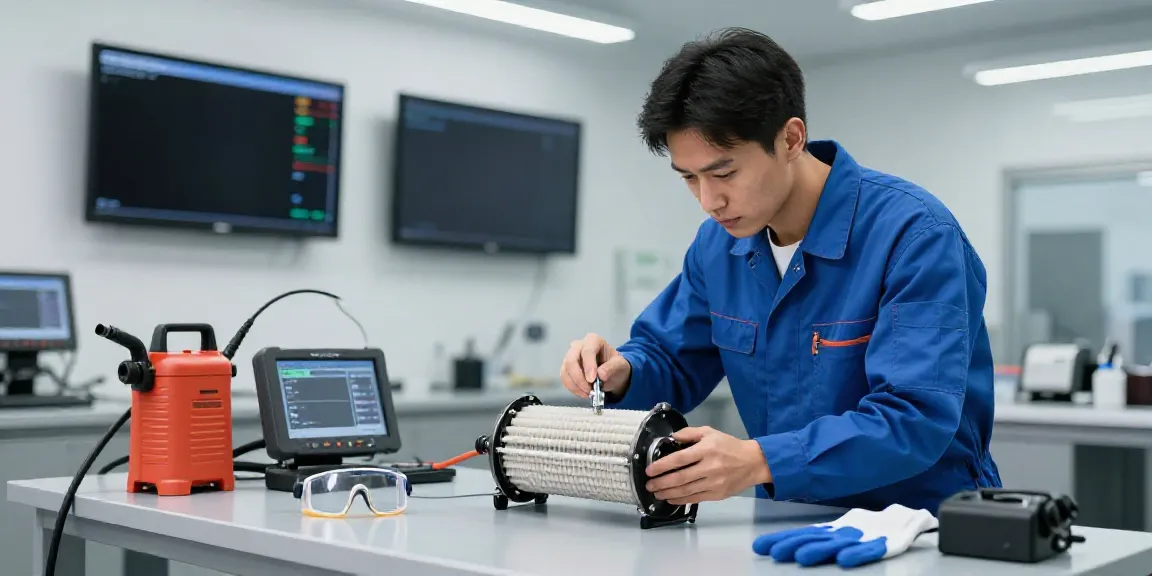
Suppliers ensure compliance by staying informed about regulatory changes, conducting regular equipment testing, and providing documentation demonstrating adherence to relevant standards.
What are the benefits of containerized water treatment systems?
Containerized water treatment systems offer portability and flexibility, allowing for quick deployment in various locations. They are particularly useful for temporary treatment needs or in remote areas lacking infrastructure.