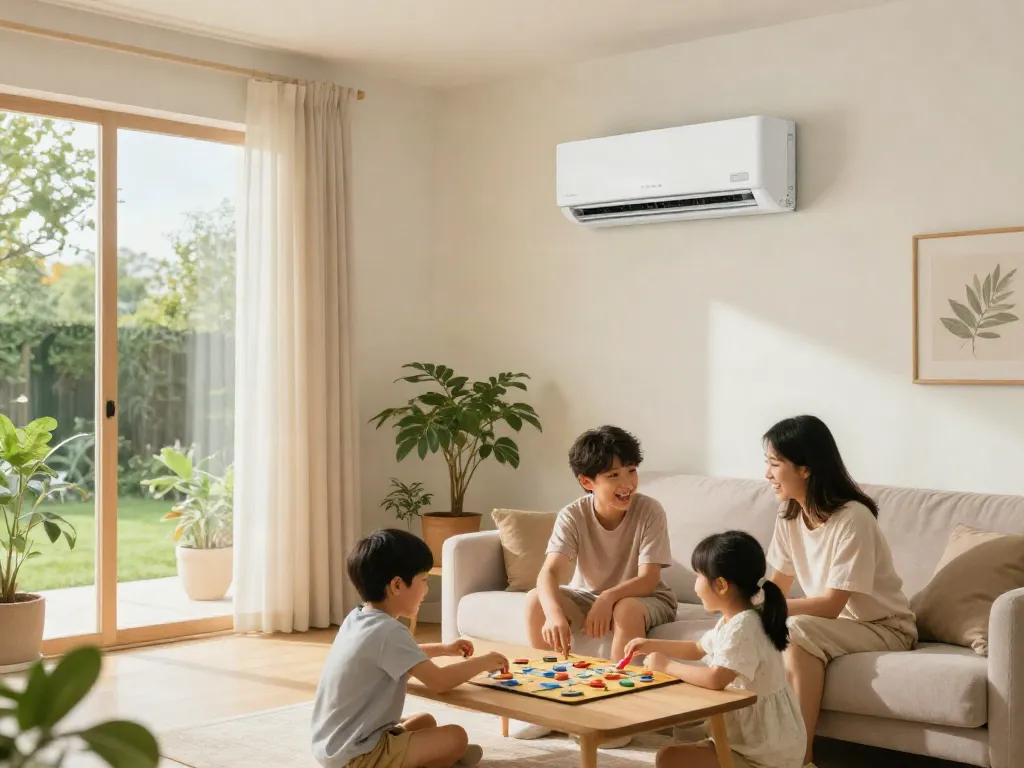
Understanding Mini Split Air Conditioners
Mini split air conditioners have gained popularity in recent years as an efficient cooling and heating solution for both residential and commercial spaces. Unlike traditional HVAC systems that rely on ductwork, mini split systems are ductless, allowing for more flexible installation and improved energy efficiency. When exploring options, a mini split air conditioner can be an excellent choice for anyone looking to enhance their indoor comfort while minimizing energy costs.
What is a Mini Split Air Conditioner?
A mini split air conditioner, also known as a ductless mini-split system, consists of two main components: an outdoor compressor unit and one or more indoor air handling units. This design allows each zone or room to be controlled independently, making it exceptionally versatile. They are particularly beneficial in homes without existing ductwork or for additions where extending existing duct systems would be impractical or expensive.
Components of a Mini Split System
- Outdoor Unit: The outdoor compressor is responsible for cooling or heating the refrigerant before it enters the indoor units.
- Indoor Unit: Each indoor unit is installed in the room requiring temperature control, distributing cool or warm air into the space.
- Refrigerant Lines: These lines connect the indoor and outdoor units, allowing refrigerant to flow between them. They are usually insulated to maintain efficiency.
- Remote Control: Most systems come with a remote for easy temperature adjustments without having to get up.
Benefits of Mini Split Air Conditioners
Mini split air conditioners offer numerous advantages over traditional systems, including:
- Energy Efficiency: Mini splits often have higher energy efficiency ratings than central AC systems, leading to lower utility bills.
- Zoned Heating and Cooling: Individual temperature control for different rooms increases comfort and reduces energy usage in unoccupied spaces.
- Space-Saving Design: The compact nature of mini splits allows for installation in areas where traditional systems may not fit.
- Quiet Operation: Most mini split systems operate at lower noise levels compared to window units and traditional AC systems.
Evaluating the Best Mini Split Air Conditioners for 2026
Top Brands Overview
When shopping for a mini split air conditioner, several brands stand out for their quality and reliability. Names like Mitsubishi, Fujitsu, and Daikin have established themselves as leaders in the market, known for their durable units and advanced technology. In addition, newer brands like Costway are also gaining popularity for their cost-effective solutions without compromising on performance.
Comparative Features to Look For
Key features that should be considered when choosing a mini split system include:
- SEER Ratings: A higher Seasonal Energy Efficiency Ratio (SEER) indicates better cooling efficiency.
- Heating Capacity: Ensure the system can adequately heat your space during winter months.
- Noise Levels: Check the decibel ratings to ensure quiet operation, especially for bedrooms or living rooms.
- Smart Technology: Many modern units offer Wi-Fi connectivity and compatibility with smart home systems for remote control and scheduling.
Pricing Analysis for Different Models
The price of mini split air conditioners can vary significantly based on brand, size, and features. Basic models may start around $500, while more advanced systems with multiple zones and high SEER ratings can cost upwards of $3,000. It's essential to balance upfront costs with long-term energy savings when making your selection.
Installation and Maintenance of Mini Split Systems
Professional Installation vs DIY Options
While some homeowners may consider a DIY installation, it's generally recommended to hire a professional for mini split systems. Proper installation is crucial for maximizing efficiency and ensuring the system operates correctly. Professionals can ensure that the units are correctly sized and properly installed according to local codes and manufacturer specifications.
Regular Maintenance Tips for Longevity
To keep your mini split air conditioner running efficiently for years, regular maintenance is essential. Here are some tips:
- Clean or replace filters every one to three months.
- Schedule annual professional maintenance to check refrigerant levels and inspect the system.
- Keep the outdoor unit free of debris, such as leaves and dirt.
- Wipe down the indoor units to prevent dust buildup.
Common Challenges and Solutions
Homeowners may encounter issues such as improper cooling or heating and unusual noises. Common solutions include checking the remote control settings, ensuring the filters are clean, and examining the refrigerant levels. When problems persist, contacting a professional is advisable to prevent further damage.
Efficiency and Energy Savings with Mini Split ACs
Understanding SEER Ratings and Energy Consumption
SEER ratings help consumers understand the efficiency of their air conditioning systems. A higher SEER rating, typically ranging from 13 to 25+, indicates a more energy-efficient unit. This efficiency translates into lower energy bills, making high-SEER models an attractive option for eco-conscious consumers.
How Mini Splits Compare to Traditional Systems
Compared to traditional central air conditioning systems, mini split air conditioners often offer superior energy efficiency due to their zoned nature and lack of ductwork. Duct losses in traditional systems can account for 30% of energy consumption, whereas mini splits eliminate this loss.
Calculating Potential Savings on Energy Bills
To estimate savings, consider the annual energy usage of your current system, the SEER of the mini split unit, and your local energy rates. A mini split with a SEER of 20 may reduce your cooling costs by up to 50% compared to a unit with a SEER of 10.
Future Trends in Mini Split Technology
Innovations Expected in 2026 and Beyond
The mini split air conditioning market is evolving, with exciting innovations anticipated in 2026. Look for advancements in eco-friendly refrigerants, further improvements in energy efficiency, and more intuitive smart controls.
Smart Technology Integration in Air Conditioning
Increasingly, mini splits feature smart technology, allowing homeowners to control their systems via smartphone apps or smart home assistants. This accessibility enhances convenience and promotes energy-saving behaviors.
Environmental Impact and Sustainability Considerations
As climate change becomes a more pressing issue, manufacturers are focusing on reducing the environmental impact of mini split systems. Innovations in refrigerants and energy efficiency will help mitigate greenhouse emissions associated with air conditioning.
What are the disadvantages of a mini split?
Despite their benefits, mini split systems have drawbacks. They can have higher upfront costs than traditional systems, sometimes requiring professional installation. Additionally, if not maintained properly, they may have reduced efficiency over time.
Is a mini split air conditioner worth it?
For many households, the energy savings and comfort provided by mini split air conditioners make them a worthwhile investment. Calculating potential energy savings against initial costs can help determine their value.
Why is my electric bill so high with mini split?
High electric bills can result from several factors, including improper maintenance, thermal inefficiencies in your home, or using the system excessively. Regular tuning and home insulation improvements can help reduce bills.
How much is a mini split for a 1000 sq ft house?
The cost of installing a mini split system in a 1,000-square-foot home will vary based on the number of zones needed. On average, expect to spend between $2,000 to $5,000, including installation.
Best mini split air conditioner options for homes?
Some of the top options for homeowners in 2026 include systems from Mitsubishi, Daikin, and Costway. Each brand offers unique features, such as multi-room capabilities and energy-efficient designs, suitable for various home environments.