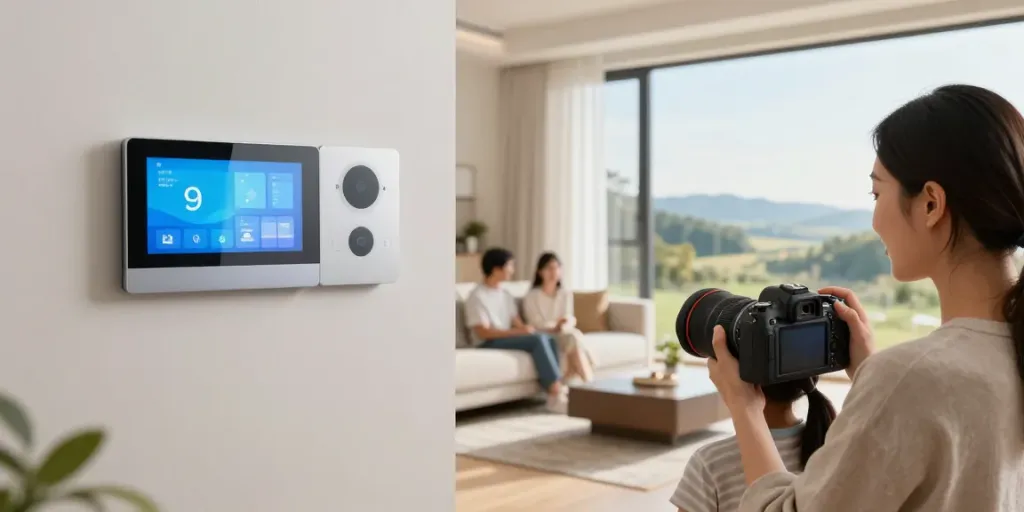
Understanding Smart Home Technology
In an age where technology seamlessly integrates into our daily lives, the concept of smart homes has emerged as a powerful paradigm shift. A smart home harnesses the power of interconnected devices, allowing homeowners to automate tasks, enhance security, and promote energy efficiency—all through a centralized management system. This revolution in domestic technology offers a blend of comfort, convenience, and control that resonates with modern living. With increasing consumer interest and advancements in technology, exploring smart home solutions has never been more inviting. For an extensive range of options and professional services, خانه هوشمند جهان اسمارت serves as an exceptional resource.
What is a Smart Home?
A smart home is defined as a residence that uses smart devices to enable remote management and monitoring of systems and appliances, often enabled by internet connectivity. These devices can include everything from smart lighting and temperature controls to security cameras and voice recognition systems. Essentially, a smart home offers a unified experience through which users can control various household functions from one platform, typically via smartphone apps or voice commands.
The Benefits of Home Automation
Investing in a smart home system provides numerous benefits, both immediate and long-term:
- Convenience: Home automation enables users to control their home environment effortlessly, improving day-to-day living.
- Energy Efficiency: Smart devices can be programmed to reduce energy consumption, leading to lower utility bills.
- Enhanced Security: Integrated security systems, including smart locks and cameras, help provide peace of mind.
- Increased Home Value: Modern smart features can significantly add to the value of a property.
Core Components of Smart Home Systems
Smart home systems can vary in complexity, but they typically include core components such as:
- Smart Hubs: Central points of control for all connected devices.
- Smart Lights: Adjustable lighting systems that can be controlled remotely.
- Smart Thermostats: Devices that allow for precise climate control.
- Security Systems: Comprehensive setups that include cameras, alarms, and access controls.
Exploring Smart Devices
The market for smart devices continues to expand, offering innovative solutions designed to enhance everyday living. These devices encompass various categories, from home security to entertainment systems.
Essential Smart Home Products
Smart home products are becoming essential tools for modern living. Key categories include:
- Smart Locks: Brands like Bosh and Sharp offer robust security solutions such as the FU8 PLUS and models like FU5PLUS and FU30PLUS.
- Smart Lighting: From LED bulbs to smart switches and dimmers, intelligent lighting systems can be tailored to suit your lifestyle.
- Smart Thermostats: Devices that learn your schedule and adjust temperatures for comfort and savings.
- Smart Speakers: Systems for entertainment, such as ceiling speakers that integrate with your smart home.
Innovative Security Solutions
Security is often the primary concern for homeowners transitioning to smart systems. Modern solutions include:
- Facial Recognition Locks: Security systems that utilize biometric data to grant access, such as the Sharp Facial Recognition Lock models (H7, H5).
- Smart Cameras: Surveillance devices offering real-time monitoring and alerts.
- Integrated Alarm Systems: Comprehensive security setups that provide proactive responses to threats.
Smart Audio and Entertainment Systems
Entertainment is transformed through smart audio systems, which provide high-quality sound with minimal setup. Smart speakers are integrated into a home network allowing for:
- Multi-Room Audio: Enjoy synchronized music throughout your home.
- Voice Control: Command your audio system with simple voice instructions.
- Customizable Listening Experience: Tailor sound settings to your preferences.
Implementation and Installation
Designing and implementing a smart home requires careful planning and consideration. The process begins with evaluating needs and preferences, selecting devices that work well together, and ensuring compatibility.
Steps to Setting Up Your Smart Home
To set up a smart home, follow these steps:
- Assess Your Needs: Identify which devices you wish to automate.
- Choose a Smart Hub: Select a hub that supports the devices you intend to install.
- Installation: Install devices according to manufacturer instructions, ensuring secure connections.
- Configuration: Program devices and set schedules through a smartphone app.
- Testing: Ensure that all devices work seamlessly together.
Common Challenges in Smart Home Integration
While integrating smart devices can enhance life quality, challenges may arise, such as:
- Compatibility Issues: Not all devices communicate effectively with every hub.
- Network Connectivity:Smart devices rely heavily on stable internet access.
- Complex Configurations: Advanced features may require technical knowledge to set up.
Hiring Professional Help vs. DIY
Deciding whether to manage setup yourself or hire professionals can depend on several factors, including:
- Technical Skill Level: DIY installation can be challenging for those unfamiliar with technology.
- Time Constraints: Hiring experts can save time, allowing for a quicker setup.
- Advanced Features: Projects involving complex automation may benefit from professional experience.
Case Studies: Successful Smart Home Deployments
Exploring real-world examples can provide insight into the practical applications of smart home technology. Various deployments illustrate how smart solutions can transform living environments.
Residential Projects with Smart Technology
Throughout the residential sector, many homeowners have successfully implemented smart technologies. Case studies have shown improved security, energy efficiency, and increased comfort—evidencing the potential ROI.
Commercial Applications of Smart Systems
Businesses are also recognizing the benefits of smart technology. For instance:
- Smart Lighting: Businesses can benefit from automated lighting systems that adjust according to occupancy, leading to significant energy savings.
- Access Control: Smart locks enhance security measures in commercial buildings.
- Integrated Systems: Seamless integration of smart devices can optimize building management and operational efficiency.
User Experiences and Testimonials
User feedback highlights the transformative effect of smart home technology, often expressing satisfaction with enhanced control, convenience, and added security. Here are common sentiments:
- Enhanced Quality of Life: Users report a more convenient lifestyle.
- Peace of Mind: Integrated security systems offer confidence in safety.
- Energy Savings: Families have noticed reductions in energy bills.
The Future of Smart Homes
The smart home industry is evolving rapidly, with trends indicating a promising future for connected living. As technology becomes more sophisticated, consumers can expect richer functionalities and enhanced user experiences.
Trends in Smart Home Technology for 2026
Looking forward to 2026, several trends are expected to shape the smart home landscape:
- Increased Integration: Devices will work more cohesively across platforms, enhancing user experiences.
- AI and Machine Learning: Homes will become more intuitive, learning user preferences and adjusting accordingly.
- Focus on Sustainability: Energy-efficient devices will become more prevalent, supporting eco-friendly living.
Predictions for Consumer Adoption
With increased awareness and education, it's predicted that consumer adoption of smart home technology will accelerate. Convenience, security, and energy efficiency are primary motivators for homeowners.
Emerging Innovations in Home Automation
The future promises groundbreaking innovations, including:
- Advanced Automation Systems: More comprehensive solutions for home management.
- Integration with Smart Cities: Homes will interact with city-wide technologies to optimize living conditions.
- Enhanced Security Measures: New technologies will provide unprecedented levels of security for homeowners.
What are Smart Home Devices and How Do They Work?
Smart home devices utilize Wi-Fi or Bluetooth to connect to each other and a central hub, allowing homeowners to control them remotely. Examples include smart thermostats, lighting systems, and cameras, all of which enhance user experience and energy efficiency.
Are Smart Homes Worth the Investment?
Investing in a smart home can yield significant long-term savings through energy efficiency and increased property value. However, initial costs can vary based on the complexity of the system desired.
How to Choose the Right Smart Home System?
When selecting a smart home system, consider compatibility with existing devices, user-friendliness, customer support, and scalability for future upgrades.
What are the Security Risks of Smart Homes?
While smart homes offer increased security, they also introduce potential vulnerabilities. Risks include hacking and unauthorized access, necessitating robust cybersecurity measures.
Can Smart Homes Save Money on Utilities?
Smart homes can significantly reduce utility costs through energy-efficient devices and automated systems that optimize usage patterns, leading to lower bills.
How to Troubleshoot Common Smart Home Issues?
Common issues in smart homes may include connectivity problems or device malfunctions. Regular updates, proper configurations, and consulting support can help resolve these concerns.