
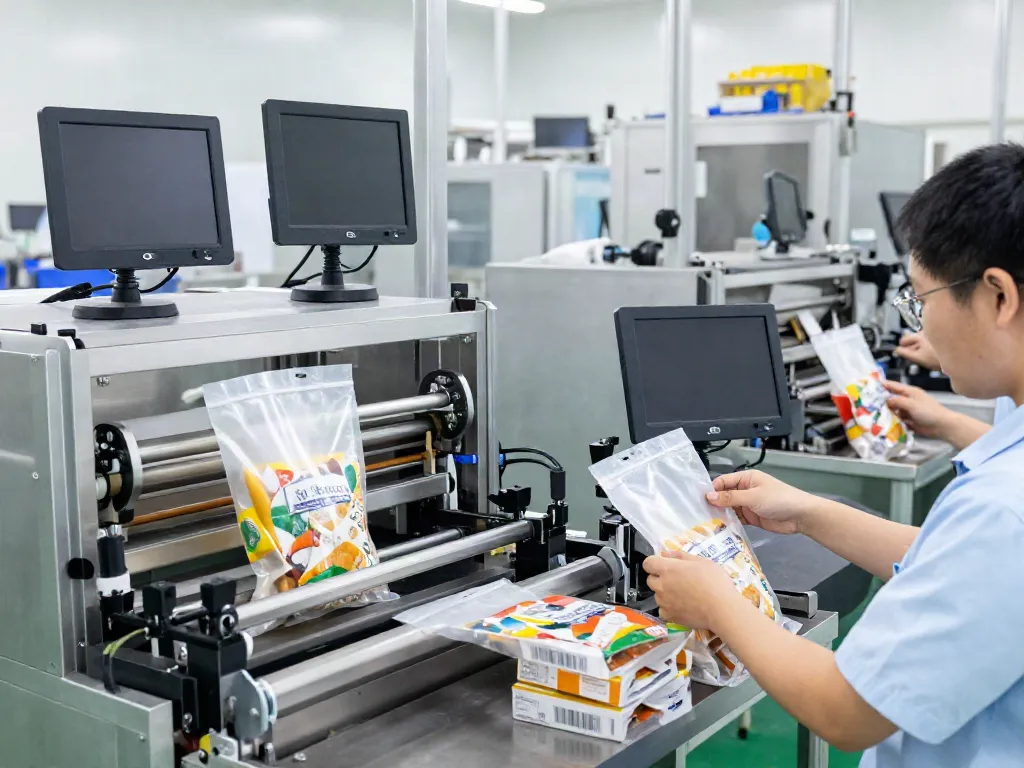
Understanding the Role of Bagging Machines in Modern Manufacturing
The packaging industry has undergone a remarkable evolution in the past few decades, with bagging machines playing a pivotal role in enhancing efficiency and precision. These sophisticated devices automate the process of placing products into bags, significantly reducing labor costs and minimizing errors that can arise from manual operations. Whether in the food sector, pharmaceuticals, or consumer goods, the demand for reliable and efficient packaging solutions is higher than ever. As a leading bagging machines manufacturer since 2005, Durzerd specializes in providing state-of-the-art packing technologies to address these needs.
What Are Bagging Machines and How Do They Work?
Bagging machines are automated systems designed to measure, fill, and seal products into bags efficiently. They vary in design and function depending on the type of product and the specific requirements of the industry. At their core, most bagging machines consist of several key components: bag feeder, filling mechanism, and sealing unit.
- Bag Feeder: This component automatically supplies bags from a roll or stack, aligning them for filling.
- Filling Mechanism: Depending on the product, this can be a volumetric or weight-based system that ensures precise quantities are dispensed.
- Sealing Unit: After filling, the bags are sealed through heat, adhesive, or sonic sealing to prevent any leakage or contamination.
The Evolution of Packaging Technologies Over the Years
Historically, packaging was a manual process that required significant labor resources and was prone to inaccuracies. The advent of automation has transformed this landscape. Major advancements include:
- Integration of Sensors: Today's machines are equipped with sensors that monitor bag integrity, weight, and even product consistency.
- Enhanced User Interfaces: Modern bagging machines come with touchscreen controls, allowing for easier operation and setup.
- Increased Versatility: New bagging technologies can handle a wide range of products—from granular materials to liquids, adapting to diverse industry needs.
Key Benefits of Automated Packaging Solutions
Automated bagging solutions offer numerous benefits that help improve operational efficiency:
- Increased Speed: Automation drastically reduces the time required for bagging, leading to higher throughput rates.
- Cost Reduction: By minimizing labor costs and material waste, businesses can see substantial savings.
- Consistency and Accuracy: Automated systems ensure uniform fill levels and sealing quality, enhancing product integrity.
- Scalability: As production demands increase, automated systems can be easily scaled up to meet these needs without significant investments in labor.
Choosing the Right Bagging Machines Manufacturer for Your Needs
Factors to Consider When Selecting a Manufacturer
When it comes to selecting a bagging machines manufacturer, several factors should be considered to ensure compatibility with your production requirements:
- Experience and Reputation: Opt for manufacturers with a proven track record and positive customer testimonials.
- Technology and Innovation: Evaluate whether the manufacturer invests in R&D to keep up with industry trends and technology.
- Customer Service and Support: Reliable support and maintenance services are essential for minimizing downtime.
- Customization Capability: The ability to customize machinery to fit specific requirements can provide significant operational advantages.
Comparing Different Bagging Technologies and Features
Bagging machines come in various types, including:
- Open-Mouth Bagging Machines: Ideal for bulk materials, they feature a wide opening for easy filling.
- Form-Fill-Seal (FFS) Machines: These machines create bags from a roll of film, fill them, and seal them in one continuous operation.
- Vertical Form-Fill-Seal Machines: Perfect for granulated or powdered substances, offering high-speed operation with minimal footprint.
Understanding the nuances of each technology helps manufacturers choose the right solution based on their product types and operational needs.
Exploring Customization Options for Versatile Industries
Industries such as food, pharmaceuticals, and consumer goods all have unique packaging requirements. Customization options can include:
- Bag Size and Material: Different industries may require specific sizes and types of bags (e.g., biodegradable options for organic products).
- Advanced Filling Techniques: For instance, liquid filling systems require different mechanisms compared to those for dry products.
- Labeling and Printing: Integration of labeling systems directly onto the machine can streamline branding and compliance processes.
Best Practices for Operating Bagging Machines Effectively
Setting Up Your Bagging Machine for Optimal Performance
To achieve the best results from your bagging machines, consider these setup tips:
- Calibration: Regularly calibrate machines to maintain accuracy in filling and sealing.
- Training: Ensure your staff is well-trained to operate the machinery, which can minimize operational errors.
- Regular Testing: Conduct frequent tests to assess the functionality of each part of the machine.
Regular Maintenance and Troubleshooting Common Issues
Consistent maintenance preserves machine longevity and efficiency. Common practices include:
- Cleaning: Regularly clean the machine to prevent build-up that could affect performance.
- Parts Replacement: Timely replacement of worn-out parts can prevent larger issues down the line.
- Troubleshooting Guides: Keep manuals and troubleshooting guides accessible for quick resolution of common problems.
Maximizing Productivity with Automation Integration
Integrating bagging machines with other automated systems—such as conveyors and palletizers—can significantly enhance productivity by creating a seamless workflow. This interconnected approach minimizes labor requirements and streamlines the overall packaging process.
Case Studies: Success Stories with Auto Bagging Machines
How a Food Company Increased Efficiency with Automated Solutions
One notable success story involved a food processing company that switched to automated bagging solutions. By implementing an open-mouth bagging machine, they increased their output by 30% while reducing labor costs by 15%, all without compromising product quality.
Pharmaceutical Sector Achieving Compliance and Speed
In the pharmaceutical sector, compliance with stringent regulations is paramount. A pharmaceutical manufacturer adopted a Form-Fill-Seal system to maintain product integrity and regulatory compliance while achieving a 40% increase in packaging speed.
Consumer Goods: Balancing Quality and Quantity
A consumer goods company faced challenges with product consistency during peak seasons. By integrating advanced bagging technology, they were able to maintain quality while doubling their production capacity, enabling them to meet rising consumer demands effectively.
Future Trends in Bagging Machines and Packaging Solutions
Emerging Technologies Shaping the Industry by 2026
As we look to the future, several trends are shaping the bagging machine landscape:
- Smart Technologies: IoT integration allows for real-time monitoring and predictive maintenance, enhancing efficiency.
- Robotics: Robotics are increasingly integrated into packaging lines for improved speed and precision.
- Sustainable Practices: As environmental concerns rise, machines that utilize eco-friendly materials will become more prevalent.
Sustainability Practices and Innovations in Packaging
With environmental sustainability becoming a critical focus for businesses, manufacturers are prioritizing the development of machinery that accommodates recyclable or biodegradable materials. This not only meets regulatory standards but also resonates with consumers’ values.
Preparing for Market Changes and Consumer Demands
Proactive adaptation to market changes—such as shifts in consumer preferences toward organic and local products—will be essential. Manufacturers that invest in versatile bagging systems stand to gain a competitive edge in the evolving marketplace.
Frequently Asked Questions
Who are some manufacturers of automated bagging machines?
There are numerous manufacturers in the market, including industry leaders known for their innovation and reliability. Researching various companies can help you find one that suits your needs.
What are the best automated bagging systems?
The best automated bagging systems offer a blend of speed, accuracy, and flexibility. Evaluating your specific needs can aid in identifying the most suitable options.
Where can I find bagging machines for sale?
Bagging machines can be found through various manufacturers and distributors. It’s advisable to compare multiple vendors to ensure you find the best price and service.
What are the different types of bagging machines?
Bagging machines come in various forms, including open-mouth, FFS, and vertical form machines, each designed to meet different packaging requirements.
What industries benefit from using auto bagging machines?
Industries such as food production, pharmaceuticals, and consumer goods significantly benefit from the efficiency and reliability of automated bagging machines.